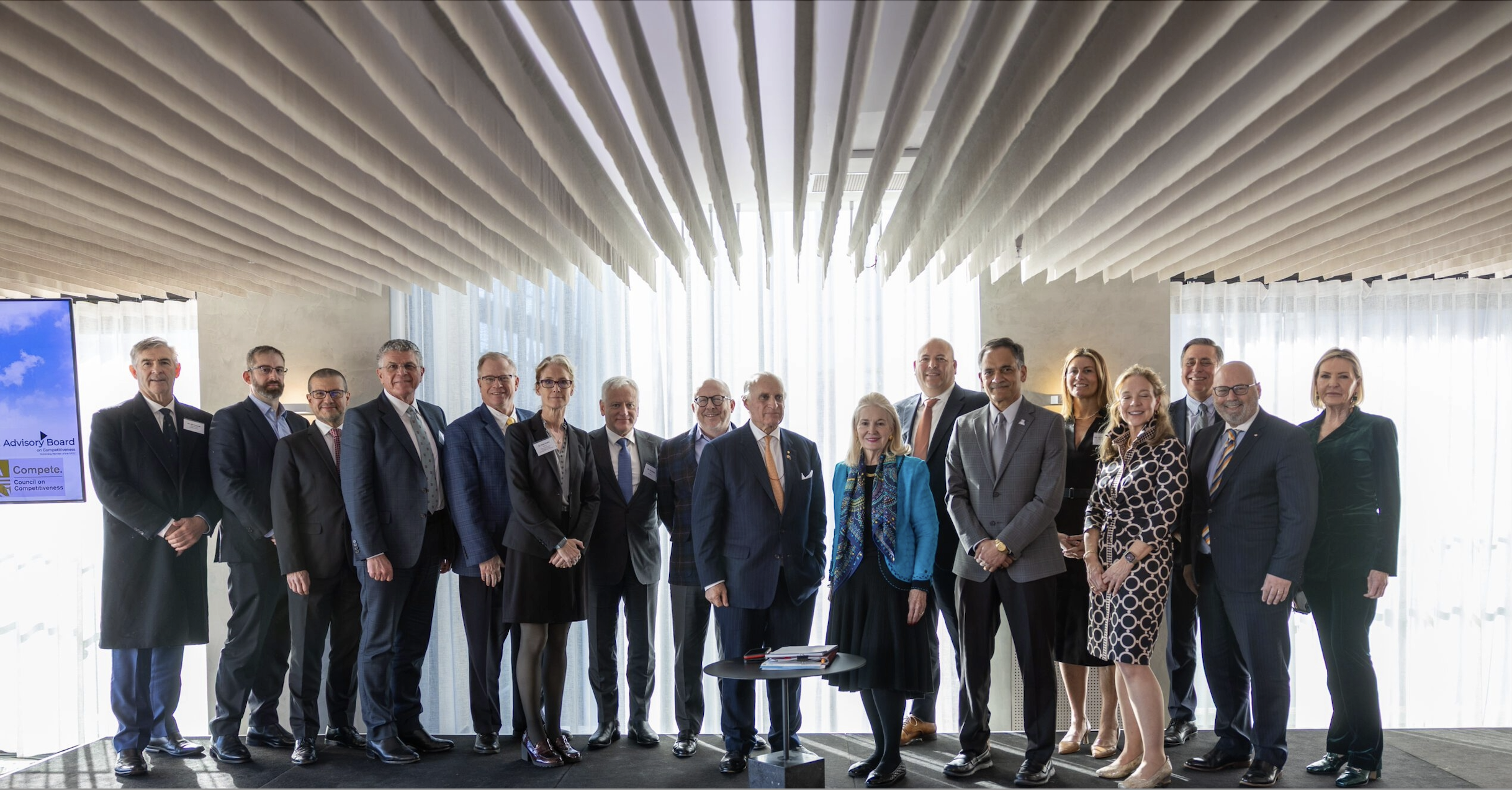
From July 20–25, 2025, a senior, non-partisan delegation from the U.S. Council on Competitiveness traveled to Australia to launch Phase Two of the U.S.–Australia Strategic Innovation Alliance—a bold initiative to leverage the strengths of allied nations to co-develop and deploy, at speed and scale, the innovations and technologies that will drive productivity growth, security, and shared prosperity. Over four days, the delegation met with Australian government officials, industry executives, and research leaders, forging new pathways for partnerships that will help shape the next economy.
Led by the Hon. Deborah Wince-Smith, President and CEO of the Council on Competitiveness, and Charles Kiefel AM, Chairman of the Australian Advisory Board on Competitiveness, the mission built on the strong foundation established during Phase One (2016–2020).
Phase Two reflects the deepening alignment of U.S. and Australian capabilities in critical innovation domains—from artificial intelligence, quantum computing, and advanced nuclear to biotechnology, precision agriculture, and natural resource development. The mission underscored the importance of sustained, organizational-level collaboration between universities, laboratories, corporations, and government agencies in both nations to accelerate technology commercialization, strengthen supply chains, cultivate top global talent, and set ethical frameworks for emerging technologies.
A major component of the Delegation’s mission was participation in a Council-conceived, Sydney-based,
U.S.–Australia Innovation Dialogue, where panels explored higher education, healthcare innovation, rare earth elements, next-generation energy, the role of national laboratories in an era of converging technologies and geopolitical disruption. To cap off this dialogue, Ms. Wince-Smith and Mr. Kiefel AM signed a
Compact for a Strategic U.S.–Australia Innovation Alliance, a statement of shared intent to position innovation as the defining factor of national competitiveness in the 21st century for the two allied nations.
The Compact issues a clear call to action: to unleash the full innovation capacity of both nations, accelerate technology development and deployment, expand energy security and sustainability, strengthen skilled workforces, and foster collaborative innovation networks. By committing to deeper bilateral cooperation—including a proposed exclusive trade framework in critical resources—the Compact affirms the United States and Australia will stand together as strategic allies, harnessing innovation for economic growth, long-term security, resilience, and global leadership.
During this trip, the Delegation visited
Melbourne,
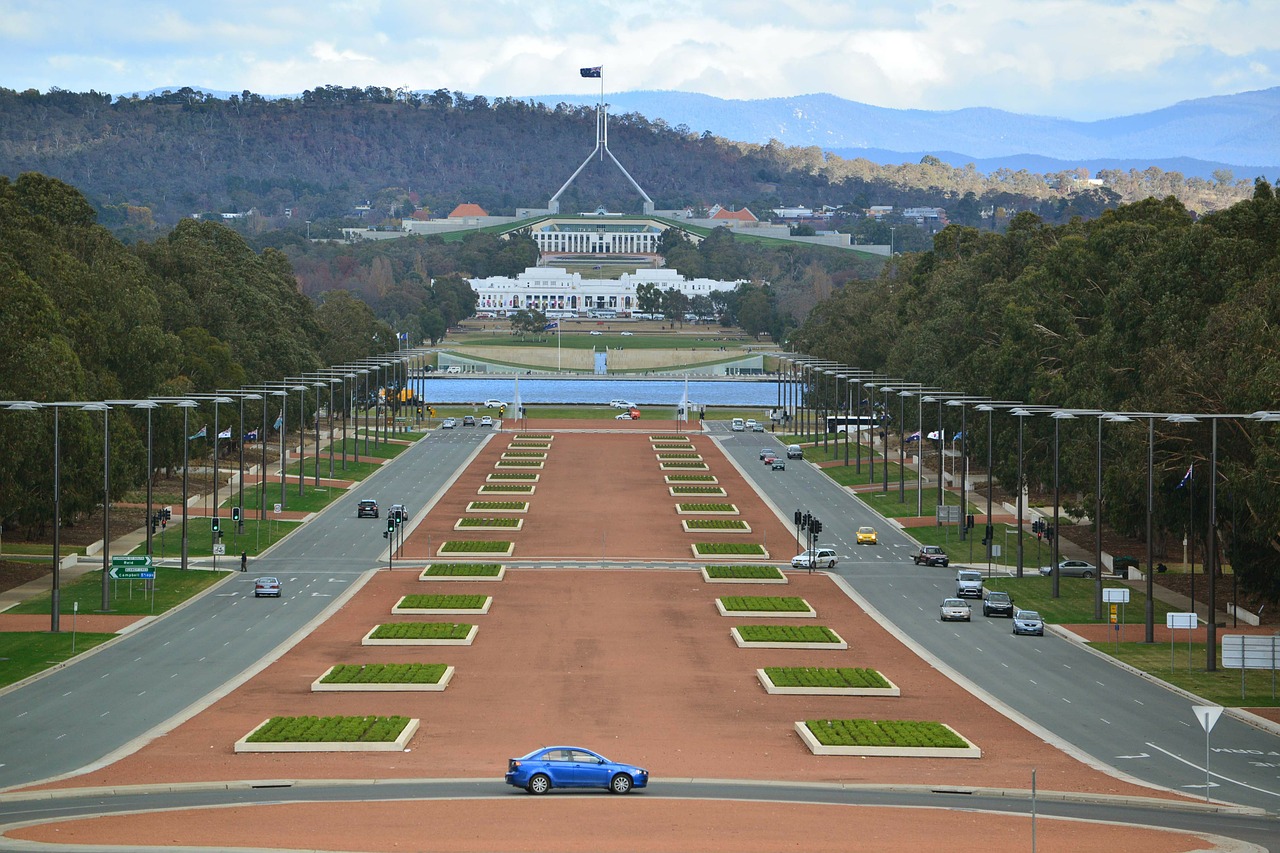
Canberra,
Sydney, and
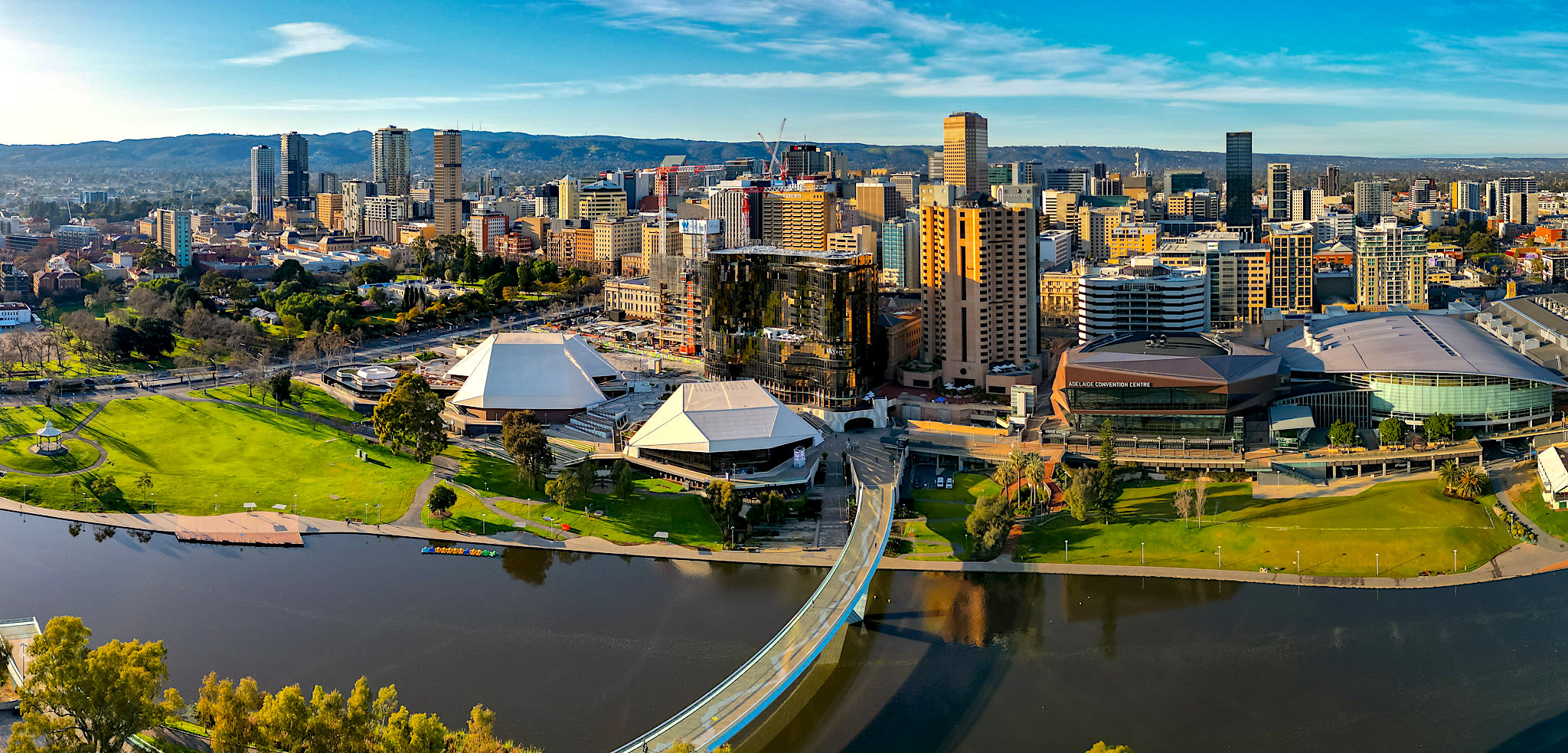
Adelaide.